- Healthcare in Nigeria
- The Rise of Technological Advancements in Nigerian Healthcare
- Criteria for Selection
- Top 10 Best Hospitals in Nigeria
- The Future of Healthcare in Nigeria
- Government and Private Sector Partnerships
- Encouraging Innovation and Investment in Healthcare
Table of Content
Healthcare in Nigeria
Nigeria, as Africa's most populous country, faces a complex and challenging healthcare landscape. Despite its vast human and natural resources, the Nigerian healthcare system struggles with chronic underfunding, uneven distribution of medical facilities, and a shortage of qualified medical personnel. These challenges result in disparities in access to healthcare between urban and rural populations, as well as between public and private facilities.
The Nigerian government allocates a relatively small fraction of the national budget to healthcare, which limits investment in infrastructure, medical equipment, and personnel development. Many public hospitals, including some of the country's most prestigious teaching hospitals, lack essential services such as clean water, reliable electricity, and adequate medical supplies. This shortage often leads to poor working conditions for doctors and other healthcare workers, causing a significant brain drain as many professionals migrate abroad for better opportunities.
Healthcare in Nigeria is largely financed out-of-pocket by patients, making medical services expensive for the average citizen. Unlike countries with comprehensive national health systems, Nigerians often face high costs for hospital visits, diagnostic tests, and treatments, creating barriers to timely and effective care. This economic burden is compounded by the prevalence of infectious diseases such as malaria, HIV/AIDS, and tuberculosis, alongside rising rates of non-communicable diseases like diabetes, hypertension, and cardiovascular disorders.
Current Initiatives and Programs
Despite these challenges, there are ongoing efforts to improve healthcare outcomes in Nigeria:
- National Health Insurance Scheme (NHIS): A federal initiative aimed at providing affordable health insurance coverage to Nigerians, although uptake and reach remain limited in many regions.
- Private Sector Contributions: Private hospitals and clinics are increasingly adopting modern technology and digital health solutions, improving quality of care and access to specialized services.
- International Support: International organizations and donor agencies provide funding, training, and technical support for public health programs, particularly in the areas of maternal and child health, infectious disease management, and health infrastructure development.
- ICT-Driven Health Solutions: Telemedicine, mobile health apps, and electronic health records (EHRs) are being introduced in select hospitals to improve patient care, reduce medical errors, and enhance data-driven decision-making.
Key Challenges in Nigerian Healthcare
While progress is being made, several systemic challenges continue to affect healthcare delivery:
- Infrastructure Deficiencies: Many hospitals lack modern facilities, reliable power supply, and advanced diagnostic equipment.
- Human Resource Shortages: There is a critical shortage of doctors, nurses, and other healthcare professionals, particularly in rural areas.
- Unequal Access: Urban areas tend to have well-equipped private hospitals, while rural communities often rely on under-resourced government facilities.
- Healthcare Financing: High out-of-pocket costs make it difficult for many Nigerians to afford treatment, leading to delayed care or medical neglect.
- Data and Health Information Gaps: Many healthcare facilities lack reliable systems for collecting, analyzing, and using health data for planning and decision-making.
Opportunities for Improvement
To overcome these challenges, sustained investment and strategic reforms are needed:
- Expanding the coverage and efficiency of the National Health Insurance Scheme to reduce out-of-pocket expenditures.
- Investing in the training and retention of healthcare professionals through incentives, better working conditions, and career development opportunities.
- Strengthening rural healthcare infrastructure by establishing modern primary healthcare centers and mobile health units.
- Leveraging technology for healthcare delivery, including telemedicine, mobile apps, EHRs, and AI-based diagnostics.
- Enhancing public-private partnerships to improve quality, access, and affordability of care across Nigeria.
Despite these hurdles, Nigeria's healthcare sector is gradually evolving. Private hospitals and tech-driven healthcare solutions are emerging as key players in improving health outcomes, expanding access to services, and modernizing the delivery of care. The country's healthcare future depends on continued investment in both human resources and technology, ensuring equitable access and high-quality care for all citizens.
The Rise of Technological Advancements in Nigerian Healthcare
The Nigerian healthcare system is undergoing a gradual transformation, driven largely by technological advancements that are redefining how medical services are delivered. While traditional healthcare infrastructure faces challenges such as understaffing, limited resources, and uneven access, digital technologies are providing innovative solutions to bridge these gaps and improve health outcomes across the country.
Telemedicine and Remote Healthcare
Telemedicine has emerged as a powerful tool in expanding access to healthcare, particularly for rural and underserved communities. Through video consultations, mobile apps, and telecommunication platforms, patients can now receive medical advice, diagnoses, and treatment recommendations without traveling long distances to urban hospitals. Telemedicine has also proven valuable during public health crises, allowing healthcare providers to continue patient care while minimizing physical contact.
Electronic Health Records (EHRs) and Data Management
The adoption of electronic health records (EHRs) is gradually replacing paper-based systems in many hospitals and clinics. EHRs allow for the secure storage and retrieval of patient data, improve clinical decision-making, reduce medical errors, and facilitate continuity of care across multiple healthcare facilities. By digitizing health information, Nigerian hospitals can better track disease trends, patient outcomes, and resource utilization.
Mobile Health (mHealth) Solutions
Mobile health applications are increasingly being used to support preventive care, health education, and chronic disease management. Apps provide reminders for medication, track vital signs, and offer educational content on nutrition, maternal health, and infectious disease prevention. These solutions empower patients to take proactive steps in managing their health, while also helping healthcare providers monitor patient progress remotely.
AI, Machine Learning, and Diagnostic Tools
Artificial intelligence (AI) and machine learning are beginning to make an impact in Nigeria’s healthcare sector. AI-driven diagnostic tools can analyze medical images, detect patterns in patient data, and predict disease risks with increasing accuracy. Hospitals adopting AI technologies are better equipped to identify early signs of diseases such as cancer, cardiovascular disorders, and infectious outbreaks, improving both diagnosis and treatment outcomes.
Pharmacy and Supply Chain Innovations
Technological advancements are also improving pharmaceutical services. Digital inventory management systems and e-pharmacies help track drug availability, reduce counterfeit medications, and streamline distribution to hospitals and clinics. This ensures that patients receive safe and reliable medications without unnecessary delays, which is particularly crucial for rural communities.
Challenges in Adopting Healthcare Technology
Despite the promising benefits, several challenges affect the widespread adoption of technology in Nigerian healthcare:
- Limited Internet and Power Infrastructure: Reliable internet connectivity and electricity remain inconsistent in many regions, limiting the deployment of telemedicine and EHR systems.
- High Initial Costs: Implementing advanced technologies such as AI diagnostics and digital health platforms requires significant investment, which many hospitals, particularly public ones, struggle to afford.
- Training and Capacity Building: Healthcare workers need adequate training to effectively utilize digital tools, which requires ongoing education and support.
- Data Privacy and Security Concerns: Digitizing health records introduces challenges related to data protection, cybersecurity, and patient confidentiality.
Criteria for Selection
Choosing the right healthcare facility, hospital, or medical center is critical for ensuring that patients receive the best possible care. The selection process often relies on a combination of technological capabilities, quality of care, and patient-centered services. These criteria help stakeholders, from government bodies to individual patients, evaluate healthcare providers effectively and make informed decisions.
Technological Infrastructure
Technological infrastructure is a fundamental criterion when selecting healthcare facilities. It includes the availability of advanced medical equipment, digital systems, and telemedicine capabilities. Hospitals equipped with modern diagnostic tools such as MRI scanners, digital X-rays, laboratory automation, and AI-assisted diagnostic systems provide faster, more accurate assessments. Robust IT infrastructure also enables electronic health records (EHRs), teleconsultations, and mobile health applications, which significantly improve patient care and operational efficiency.
Key aspects of technological infrastructure include:
- Medical Equipment: State-of-the-art imaging, laboratory, and surgical tools.
- Digital Records: EHR systems that ensure secure, accessible, and accurate patient information.
- Telemedicine Services: Platforms allowing remote consultations, monitoring, and follow-ups.
- Data Analytics: Technology that supports predictive healthcare, disease monitoring, and performance tracking.
Quality of Care
Quality of care is a cornerstone criterion for healthcare selection. It reflects the hospital’s ability to provide effective, safe, and evidence-based treatment. Accreditation, adherence to national and international standards, and the presence of skilled medical professionals all contribute to high-quality care. Facilities with strong clinical governance, rigorous protocols, and continuous training programs tend to have better patient outcomes and lower complication rates.
Factors that indicate high-quality care include:
- Qualified Staff: Experienced doctors, nurses, and allied healthcare professionals.
- Accreditation: Recognition by national health authorities or international organizations.
- Patient Safety Protocols: Infection control measures, medication safety, and emergency preparedness.
- Clinical Outcomes: High success rates for treatments, surgeries, and interventions.
Patient Experience
Patient experience is increasingly recognized as a key criterion for evaluating healthcare facilities. It encompasses how patients perceive their care journey, including accessibility, communication, comfort, and responsiveness. Hospitals that prioritize patient experience tend to have better engagement, higher satisfaction rates, and improved adherence to treatment plans.
Important elements of patient experience include:
- Ease of Access: Convenient location, flexible scheduling, and minimal waiting times.
- Communication: Clear, compassionate, and transparent interactions with healthcare providers.
- Facilities and Comfort: Cleanliness, private rooms, supportive amenities, and overall environment.
- Follow-up Care: Post-treatment monitoring, patient education, and support services.
First Lexington Medical Center, Nasarawa
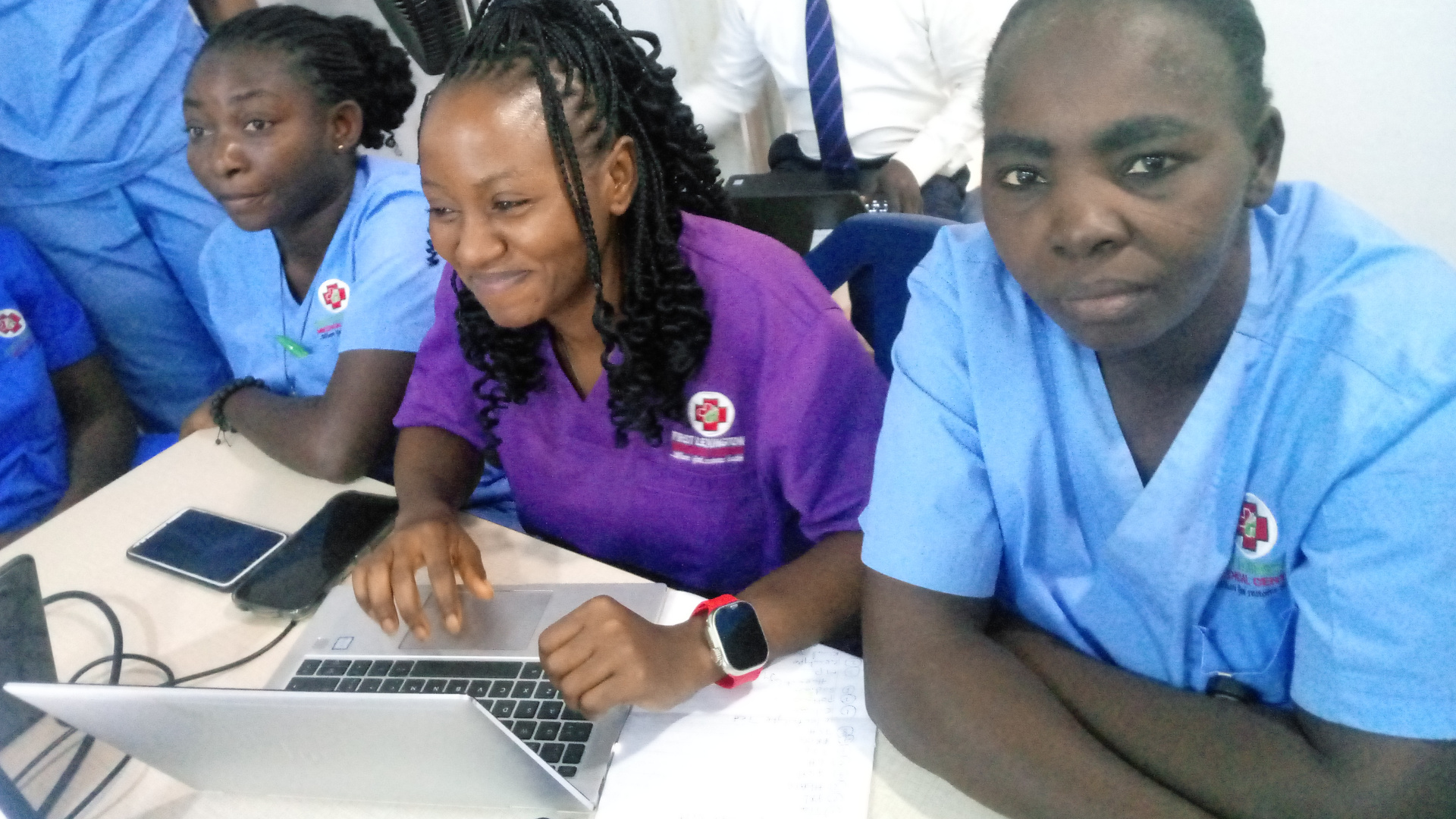
First Lexington Medical Center in Nasarawa is widely recognized as one of the premier healthcare institutions in Northern Nigeria, offering a comprehensive range of medical services that blend advanced technology with compassionate patient care. Strategically located to serve both Nasarawa State and the greater Abuja metropolitan area, the center has positioned itself as a hub for high-quality healthcare delivery, attracting patients from across the region.
State-of-the-Art Facilities
The medical center boasts modern infrastructure equipped with the latest diagnostic and treatment technologies. From fully automated laboratories and advanced imaging equipment, including digital X-rays, CT scans, and MRI machines, to modern operating theaters with advanced surgical instruments, the facility ensures that patients receive accurate diagnoses and effective treatments in a timely manner. The hospital also integrates telemedicine and electronic health record (EHR) systems, which streamline patient management and enhance clinical outcomes.
Comprehensive Medical Services
First Lexington Medical Center offers a wide spectrum of services, ranging from primary care and preventive health programs to specialized care in areas such as cardiology, neurology, orthopedics, obstetrics and gynecology, pediatrics, and oncology. The center’s multidisciplinary approach ensures that patients have access to integrated care, where specialists collaborate to design personalized treatment plans for complex medical conditions.
Highly Skilled Healthcare Professionals
The medical team at First Lexington comprises experienced doctors, surgeons, nurses, and allied health professionals who are continually trained to stay abreast of the latest medical advancements. Their expertise spans general medicine, surgery, diagnostics, and patient rehabilitation, allowing the center to provide evidence-based and patient-centered care. Continuous professional development and adherence to international clinical standards further reinforce the quality of care.
Patient-Centered Care
Patient experience is a central focus at First Lexington. The hospital emphasizes a holistic approach that considers not only physical health but also emotional well-being and comfort. Amenities such as private consultation rooms, well-equipped wards, and round-the-clock patient support services create a welcoming and supportive environment. Additionally, the center’s staff prioritizes clear communication, educating patients about their conditions and treatment options to encourage informed decision-making.
Community Engagement and Outreach
Beyond its in-hospital services, First Lexington Medical Center actively participates in community health initiatives. Programs such as free medical screenings, health education workshops, vaccination drives, and outreach campaigns are designed to improve public health awareness and access to quality care in Nasarawa and surrounding communities. This commitment to community engagement underscores the center’s dedication not only to individual patients but also to the broader population.
Recognition and Accreditation
The center has earned a reputation for excellence through adherence to national and international healthcare standards. Accreditation by regulatory bodies and consistent positive patient feedback highlight its commitment to safety, quality, and professional integrity. Such recognition reinforces trust among patients, healthcare professionals, and stakeholders alike.
In summary, First Lexington Medical Center, Nasarawa exemplifies modern, patient-focused healthcare in Nigeria. Its combination of cutting-edge technology, highly skilled professionals, comprehensive services, and strong community engagement makes it a leading choice for patients seeking reliable, high-quality medical care in the region.
Kingsmith Specialist Hospital, Lagos
Kingsmith Specialist Hospital, located in Lagos, is one of Nigeria’s leading private healthcare institutions, renowned for combining state-of-the-art medical technology with exceptional patient care. Situated in the commercial hub of Lagos, the hospital attracts patients not only from the city but also from across Nigeria and West Africa, positioning itself as a center of medical excellence.
Modern Facilities and Technological Advancements
Kingsmith Specialist Hospital is equipped with cutting-edge medical equipment to provide accurate diagnoses and effective treatment. The hospital features advanced imaging technologies including digital X-rays, CT scans, and MRI scanners, alongside fully automated laboratories for precise testing. The operating theaters are modern and sterile, supporting complex surgical procedures with high safety standards. The hospital also utilizes electronic health records (EHR) and telemedicine platforms, allowing seamless coordination of care and remote consultations for patients who cannot visit physically.
Comprehensive Medical Services
The hospital offers a broad range of services across multiple specialties. These include cardiology, neurology, orthopedics, obstetrics and gynecology, pediatrics, oncology, and general surgery. Kingsmith employs a multidisciplinary approach where specialists collaborate to ensure patients receive personalized treatment plans that are evidence-based and outcome-driven. Preventive care and wellness programs, including routine health screenings and lifestyle counseling, are also integral to their service offering.
Experienced Medical Team
Kingsmith Specialist Hospital prides itself on its team of highly qualified doctors, surgeons, nurses, and allied health professionals. The hospital emphasizes continuous professional development and training, ensuring that staff remain updated with the latest medical protocols and techniques. This expertise allows the hospital to handle both routine and complex medical cases efficiently, while maintaining high standards of safety and care.
Patient-Centered Approach
The hospital prioritizes patient experience and comfort. Private consultation rooms, modern inpatient wards, and dedicated support staff contribute to a welcoming and supportive environment. Patients are actively involved in their treatment decisions, with healthcare providers explaining conditions, procedures, and recovery plans in detail. Kingsmith’s commitment to empathy and communication ensures patients feel respected, informed, and cared for throughout their medical journey.
Community Engagement and Outreach
Kingsmith Specialist Hospital is actively involved in community health initiatives. The hospital organizes free medical camps, vaccination drives, health awareness workshops, and educational programs to promote wellness across Lagos. These initiatives not only provide access to quality healthcare but also raise public awareness about preventive health measures.
Recognition and Accreditation
The hospital has received accolades for excellence in healthcare delivery, maintaining compliance with both national and international medical standards. Accreditation by regulatory bodies and consistent positive patient reviews reinforce its reputation as a trusted healthcare provider. The hospital’s commitment to quality, safety, and patient satisfaction is a cornerstone of its ongoing success.
Contact and Website
For more information, appointment bookings, or online consultations, patients can visit the official Kingsmith Specialist Hospital website at: www.kingsmithspecialist.com.ng. The website provides comprehensive details about services, specialties, healthcare team profiles, and patient resources.
In summary, Kingsmith Specialist Hospital, Lagos stands out as a leading private healthcare institution in Nigeria, combining modern technology, expert medical professionals, comprehensive services, and a patient-centered approach. Its commitment to excellence makes it a preferred choice for individuals seeking reliable, high-quality healthcare in Lagos and beyond.
Ab10 Specialist Hospital, Ogun State
Ab10 Specialist Hospital, located in Lagos State, Nigeria, is a modern healthcare facility dedicated to providing high-quality medical services to the local population and patients from neighboring states. Known for its commitment to excellence, the hospital blends state-of-the-art medical technology with compassionate patient care, ensuring that every individual receives personalized treatment.
Advanced Medical Facilities and Technology
The hospital boasts a wide array of modern medical equipment, designed to support accurate diagnosis and effective treatment. Ab10 Specialist Hospital features digital imaging systems including X-rays, CT scans, and ultrasound machines. Laboratory services are fully automated for precise test results, while the surgical theaters are equipped with modern sterilization and monitoring technology, enabling safe and efficient surgical procedures. The hospital also incorporates electronic medical records (EMR) to streamline patient care and improve treatment coordination.
Comprehensive Healthcare Services
Ab10 Specialist Hospital provides a broad spectrum of medical specialties, including internal medicine, pediatrics, obstetrics and gynecology, cardiology, orthopedics, and general surgery. The hospital emphasizes a holistic approach to patient care, combining diagnosis, treatment, rehabilitation, and preventive care. Wellness programs, health screenings, and counseling services are also available to promote proactive health management among patients.
Expert Medical Team
The hospital is staffed by a team of highly qualified medical professionals, including doctors, surgeons, nurses, and allied healthcare specialists. Continuous training and professional development ensure that the staff remains updated with the latest medical practices and innovations. The multidisciplinary approach allows for collaborative decision-making, ensuring that patients receive optimal care tailored to their specific medical needs.
Patient-Centered Care
At Ab10 Specialist Hospital, the patient experience is a top priority. Comfortable consultation rooms, modern inpatient wards, and attentive support staff contribute to a welcoming and safe environment. Patients are encouraged to participate actively in their care plans, with healthcare providers explaining diagnoses, treatment options, and recovery processes in clear terms. The hospital’s emphasis on empathy, communication, and personalized attention enhances patient satisfaction and trust.
Community Engagement and Public Health
Ab10 Specialist Hospital is committed to serving the wider community through health awareness programs, medical outreach, and free health camps. These initiatives focus on preventive care, early disease detection, and public education, helping to improve overall health outcomes in Lagos State and surrounding areas. The hospital also collaborates with local organizations to address public health challenges.
Accreditation and Recognition
Ab10 Specialist Hospital maintains compliance with national health regulations and international healthcare standards. It has been recognized for its quality care, patient safety practices, and commitment to continuous improvement. These certifications and positive patient feedback reflect the hospital’s dedication to excellence in healthcare delivery.
Contact and Website
Patients can learn more about services, book appointments, or access online consultations through the official Ab10 Specialist Hospital website: www.ab10specialistspeciaslist.com.ng. The website provides detailed information on specialties, medical team profiles, and patient resources to enhance accessibility and care management.
In summary, Ab10 Specialist Hospital, Lagos State, stands out as a reliable healthcare institution combining advanced technology, expert medical professionals, comprehensive services, and a patient-focused approach. Its dedication to high-quality healthcare makes it a preferred choice for individuals seeking exceptional medical care in Lagos State and beyond.
Fertigold Fertility Clinic, Lagos
Fertigold Fertility Clinic, located in Lagos, Nigeria, is a premier fertility and reproductive health center dedicated to helping couples achieve their dreams of parenthood. The clinic combines cutting-edge medical technology, highly skilled specialists, and compassionate patient care to provide comprehensive fertility solutions.
Advanced Fertility Treatments
Fertigold Fertility Clinic offers a wide range of fertility treatments including In Vitro Fertilization (IVF), Intracytoplasmic Sperm Injection (ICSI), Egg and Sperm Freezing, Intrauterine Insemination (IUI), and Pre-implantation Genetic Testing (PGT). The clinic also provides fertility assessments and diagnostic services using advanced laboratory and imaging equipment to accurately identify underlying causes of infertility.
Expert Medical Team
The clinic is staffed by highly experienced fertility specialists, embryologists, gynecologists, and reproductive endocrinologists. Each team member is committed to staying updated with the latest advancements in reproductive medicine, ensuring patients receive the most effective, evidence-based treatments available. Their multidisciplinary approach allows for personalized care plans tailored to the unique needs of each couple or individual.
Patient-Centered Care
Fertigold Fertility Clinic prioritizes patient comfort and emotional support throughout the fertility journey. From initial consultations to treatment and follow-up care, the clinic provides a nurturing environment with counseling services, fertility education, and personalized guidance. The clinic emphasizes transparency, open communication, and shared decision-making to ensure patients are informed and confident at every stage.
State-of-the-Art Facilities
The clinic’s facilities are equipped with modern laboratories, embryology suites, and diagnostic imaging centers, designed to meet international standards in reproductive medicine. Advanced technology ensures precision in procedures, high success rates, and safety for both patients and future parents.
Community and Awareness Programs
Fertigold Fertility Clinic is actively involved in raising awareness about infertility and reproductive health in Lagos and beyond. The clinic organizes workshops, seminars, and health outreach programs to educate the public, reduce stigma around infertility, and promote reproductive wellness.
Accreditation and Recognition
The clinic is recognized for adhering to strict medical and ethical standards in fertility care. It maintains compliance with national health regulations and follows global best practices, reinforcing its reputation as one of Nigeria’s leading fertility centers.
Contact and Website
For more information, appointment bookings, or online consultations, patients can visit the official Fertigold Fertility Clinic website: www.fertigoldfertilityclinic.com.ng. The website offers detailed information on services, treatment options, team profiles, and patient resources to support informed decision-making.
In summary, Fertigold Fertility Clinic, Lagos, stands out as a trusted fertility center offering advanced reproductive treatments, expert care, and comprehensive support. Its dedication to helping couples achieve parenthood has made it a leading choice for fertility care in Lagos and across Nigeria.
Cornerstone Hospital, Ogun State
Cornerstone Hospital, located in Ogun State, Nigeria, is a leading healthcare facility recognized for providing comprehensive, high-quality medical services across multiple specialties. The hospital focuses on delivering patient-centered care while integrating advanced medical technology to ensure excellent outcomes.
Comprehensive Healthcare Services
Cornerstone Hospital offers a broad spectrum of services including general medicine, surgery, pediatrics, obstetrics and gynecology, cardiology, diagnostics, and emergency care. The hospital also specializes in maternal and child health, ensuring safe pregnancies and healthy deliveries. Its multidisciplinary approach allows patients to receive seamless care across multiple departments.
Advanced Medical Technology
The hospital is equipped with modern diagnostic and treatment technologies, including digital imaging systems, laboratory facilities, and advanced surgical equipment. These resources enable accurate diagnoses, minimally invasive procedures, and effective treatment plans tailored to the unique needs of each patient.
Expert Healthcare Team
Cornerstone Hospital boasts a team of highly qualified physicians, surgeons, nurses, and support staff who are dedicated to providing compassionate and professional care. Continuous training and adherence to international medical standards ensure the hospital delivers safe and effective treatments across all specialties.
Patient Experience and Care
Patient comfort and satisfaction are top priorities at Cornerstone Hospital. The hospital emphasizes clear communication, personalized care plans, and supportive services to guide patients through treatment. The environment is designed to be welcoming and supportive, fostering a positive healthcare experience for both patients and their families.
Community Outreach and Health Education
Cornerstone Hospital is actively involved in community health initiatives, including health screenings, vaccination drives, and educational programs to promote wellness and disease prevention. These efforts reflect the hospital’s commitment to improving public health outcomes in Ogun State and neighboring regions.
Accreditation and Quality Assurance
The hospital operates under strict medical standards and regulatory compliance to ensure patient safety and high-quality care. Cornerstone Hospital continuously evaluates its procedures and services to maintain excellence in healthcare delivery.
Contact and Website
For more information, appointment scheduling, or inquiries, visit the official Cornerstone Hospital website: www.cornerstonehospitalsng.com. The site provides comprehensive details about services, medical staff, patient resources, and contact information.
In summary, Cornerstone Hospital, Ogun State, is a trusted medical institution offering a wide range of healthcare services, advanced technology, and compassionate patient care. Its dedication to excellence has made it a preferred choice for patients seeking reliable and professional medical services in Ogun State and beyond.
St. Shiloh Medical Center, Ogun State
St. Shiloh Medical Center is a rapidly growing healthcare institution in Ogun State, dedicated to providing accessible, high-quality medical services to the community. Located strategically in Sango-Ota, the center is committed to enhancing patient well-being through professional care, modern facilities, and a dedicated team of medical experts.
Comprehensive Medical Services
St. Shiloh Medical Center offers a wide range of essential healthcare services tailored to meet the needs of individuals and families. Their specialties include general medicine, primary healthcare, maternal and child health services, minor surgeries, and laboratory diagnostics. The center prioritizes efficient and effective care, ensuring that patients receive timely diagnosis and treatment for various health conditions.
Modern Facilities and Technology
The facility is equipped with modern medical tools to support clinical operations, including diagnostic laboratory services and comfortable consultation rooms. By maintaining a well-equipped clinical environment, St. Shiloh Medical Center aims to ensure precise diagnostic accuracy and consistent quality of care for every patient.
Patient-Centered Care and Community Commitment
At the heart of St. Shiloh Medical Center is a commitment to compassionate, patient-focused care. The medical team emphasizes clear communication, respect for patient dignity, and personalized treatment plans. Beyond clinical care, the center actively engages with the local community in Sango-Ota to promote health awareness, preventive care, and wellness practices.
Contact and Website
For inquiries, appointments, or more information about their services, visit the official St. Shiloh Medical Center website: www.stshilohmedical.com.ng. You can also visit them at their location: 2, Popoola Street, Igbala Bus Stop, Off Lagos Abk Exp Way, Sango-Ota.
In summary, St. Shiloh Medical Center, Ogun State, provides reliable, professional healthcare in a welcoming environment. Its dedication to quality service, community focus, and patient comfort makes it a vital medical resource for the Sango-Ota area and beyond.
Seventh-day Adventist Hospital, Ile-Ife
The Seventh-day Adventist Hospital in Ile-Ife is a renowned healthcare institution in Osun State, Nigeria. Rooted in the global Seventh-day Adventist healthcare tradition, the hospital integrates spiritual values with high-quality medical care, providing holistic health services to the community.
Comprehensive Medical Services
The hospital offers a wide array of healthcare services, including general medicine, surgery, pediatrics, obstetrics and gynecology, dental care, and eye care. Specialized services such as cardiology, physiotherapy, and wellness programs are also available, ensuring a broad spectrum of care for patients of all ages.
Modern Technology and Facilities
Seventh-day Adventist Hospital is equipped with modern diagnostic and therapeutic equipment, including laboratory services, digital imaging, and advanced surgical theaters. These facilities allow for precise diagnosis, effective treatment, and patient-centered care in a safe environment.
Patient-Centered Approach
The hospital emphasizes compassionate care, prioritizing patient comfort, communication, and individualized treatment plans. Patients benefit from a supportive environment that fosters trust and confidence, reflecting the hospital’s commitment to holistic health.
Education and Training
As part of the Adventist health network, the hospital provides training and continuing education opportunities for medical professionals, nurses, and allied health workers. These programs promote professional growth and ensure high standards of medical practice across the institution.
Community Engagement
The hospital is actively involved in community health initiatives, including health education, vaccination campaigns, and preventive screenings. These programs aim to improve public health awareness and access to quality healthcare in Ile-Ife and surrounding communities.
Spiritual Care Integration
Unique to the Adventist healthcare philosophy, the hospital integrates spiritual care with medical treatment. Patients are encouraged to engage in wellness practices, preventive care, and spiritual support as part of their overall healing process.
Contact and Website
For more information, appointments, or inquiries, visit the official website: www.sdahospitalife.org/. The website provides details on services, medical staff, health programs, and patient resources.
In conclusion, the Seventh-day Adventist Hospital, Ile-Ife, is a leading institution combining advanced healthcare, spiritual values, and community service. Its dedication to patient care, education, and holistic wellness makes it a trusted choice for individuals and families seeking comprehensive healthcare in Osun State.
The Future of Healthcare in Nigeria
The future of healthcare in Nigeria is poised for transformative change, driven by technological innovation, policy reforms, and a growing emphasis on patient-centered care. As the nation seeks to improve access, quality, and affordability, several key trends and opportunities are shaping the path forward.
Technological Integration and Digital Health
One of the most significant drivers of future healthcare development is technology. Telemedicine, electronic health records (EHRs), mobile health (mHealth) apps, and AI-driven diagnostic tools are increasingly being adopted to improve efficiency and patient outcomes. Digital platforms will enable remote consultations, reduce hospital overcrowding, and facilitate real-time monitoring of chronic conditions.
Expansion of Healthcare Infrastructure
Investment in healthcare infrastructure is critical for the nation’s progress. The future will see more state-of-the-art hospitals, specialized clinics, and diagnostic centers across both urban and rural areas. Public-private partnerships (PPPs) are expected to play a pivotal role in funding and operating these facilities, ensuring wider access to quality healthcare services.
Focus on Preventive and Personalized Care
The future emphasis is shifting from reactive to preventive healthcare. Nationwide screening programs, vaccination campaigns, and health education initiatives will become more prevalent. Additionally, personalized medicine, which tailors treatment plans based on genetic, lifestyle, and environmental factors, will gain traction, improving patient outcomes and reducing healthcare costs.
Workforce Development and Capacity Building
Developing a skilled healthcare workforce is essential for future success. Investments in medical education, continuous professional development, and retention strategies will ensure a competent and motivated workforce. Tele-mentoring and e-learning platforms will also support skill enhancement, particularly in underserved regions.
Policy Reforms and Regulatory Frameworks
Government policies and regulations will shape the evolution of healthcare. Strengthening health insurance schemes, improving pharmaceutical regulations, and enforcing standards for medical facilities are vital steps. Comprehensive health policies will aim to achieve universal health coverage (UHC) and ensure equitable access to essential services.
Integration of Traditional and Modern Medicine
Nigeria’s healthcare future may also see a more structured integration of traditional medicine with modern healthcare practices. Scientific validation and regulation of herbal remedies and alternative therapies could enhance healthcare options while preserving cultural heritage.
Data-Driven Healthcare and Research
Research, data collection, and evidence-based practices will increasingly inform healthcare decision-making. Big data analytics and AI will help predict disease outbreaks, monitor population health trends, and guide resource allocation. Enhanced research capacity will also support innovations in treatments, vaccines, and medical devices.
Community Engagement and Health Equity
Future healthcare in Nigeria will emphasize community participation and health equity. Programs targeting maternal and child health, nutrition, and non-communicable diseases will address disparities. Engaging local communities in preventive care, education, and health promotion will ensure sustainable improvements in public health.
Government and Private Sector Partnerships
Government and private sector partnerships, often referred to as Public-Private Partnerships (PPPs), are playing an increasingly vital role in shaping the healthcare landscape in Nigeria. With the public sector often constrained by limited funding, bureaucratic hurdles, and infrastructure gaps, collaboration with private entities has become essential to delivering high-quality healthcare services across the country.
Importance of Public-Private Partnerships
PPPs help bridge the gap between healthcare demand and supply by leveraging the resources, expertise, and efficiency of the private sector while maintaining government oversight. These partnerships can improve hospital infrastructure, expand access to specialized care, and enhance the delivery of essential services, especially in underserved areas.
Key Areas of Collaboration
- Hospital Infrastructure: Private investors can fund the construction, renovation, and modernization of hospitals, while the government provides regulatory support and policy frameworks.
- Medical Equipment and Technology: Joint initiatives enable access to advanced medical equipment, telemedicine platforms, and diagnostic technologies, reducing the technological gap in public hospitals.
- Training and Capacity Building: Collaborative programs focus on training healthcare professionals, improving workforce quality, and ensuring the adoption of best practices across facilities.
- Health Insurance and Financing: Partnerships facilitate the expansion of health insurance schemes, making healthcare more affordable and accessible to the population.
Successful Examples in Nigeria
Several PPP initiatives have demonstrated significant improvements in service delivery. For instance, private companies managing specialized hospitals or diagnostic centers within public facilities have increased efficiency, reduced patient wait times, and ensured better maintenance of medical equipment. Telemedicine partnerships have also allowed rural populations to access expert consultations remotely.
Challenges and Considerations
While PPPs have immense potential, they face challenges such as misalignment of objectives, regulatory bottlenecks, and issues around cost-sharing and accountability. Clear contracts, robust monitoring mechanisms, and transparent governance structures are essential to ensure that both public and private partners meet their commitments and prioritize patient welfare.
The Road Ahead
Looking forward, government and private sector collaborations will be central to Nigeria’s ambition to achieve universal health coverage (UHC). Strengthening these partnerships can drive innovation, increase healthcare accessibility, and improve overall health outcomes. By fostering trust, ensuring mutual accountability, and aligning incentives, Nigeria can harness the full potential of PPPs to build a resilient, efficient, and patient-centered healthcare system.
Encouraging Innovation and Investment in Healthcare
Innovation and investment are critical drivers for transforming healthcare in Nigeria, enabling the sector to meet growing demands, adopt new technologies, and improve patient outcomes. With rising population pressures, increasing prevalence of non-communicable diseases, and the need for specialized services, fostering innovation and attracting investment have become strategic priorities for both government and private stakeholders.
The Role of Innovation in Healthcare
Healthcare innovation encompasses new technologies, treatment methods, service delivery models, and digital health solutions. In Nigeria, innovative approaches are emerging in several areas:
- Telemedicine and Remote Care: Digital platforms connect patients in remote areas with specialists, reducing travel costs and wait times.
- Electronic Health Records (EHRs): Digitization of patient data enhances efficiency, minimizes errors, and allows better tracking of patient outcomes.
- Medical Devices and Diagnostics: Locally developed or adapted devices improve accessibility to life-saving treatments and early disease detection.
- Pharmaceutical Research and Biotechnology: Investment in local drug manufacturing and research drives self-sufficiency and reduces dependency on imports.
Investment Opportunities in Nigerian Healthcare
The healthcare sector presents significant opportunities for investors, given the country’s large population and under-served market. Key areas attracting investment include:
- Hospital Infrastructure: Building new hospitals, upgrading existing facilities, and establishing specialized centers.
- Digital Health Startups: Apps, AI-driven diagnostics, and remote monitoring services are gaining traction among urban and rural populations alike.
- Health Insurance and Financing Models: Expanding coverage through innovative insurance products increases access and generates steady returns for investors.
- Pharmaceutical Manufacturing and Distribution: Local production reduces import costs, ensures availability, and stimulates economic growth.
Government Initiatives and Incentives
The Nigerian government has introduced policies and incentives to encourage private sector participation in healthcare innovation and investment. These include:
- Tax breaks for health-related startups and investors.
- Support for research and development in medical sciences.
- Public-private collaboration frameworks that enable investors to manage or co-develop healthcare facilities.
Challenges to Innovation and Investment
Despite the potential, several challenges remain, such as regulatory complexity, inadequate funding, and infrastructure limitations. Additionally, there is a need for skilled personnel, reliable data systems, and strong governance to ensure that innovations are sustainable and investments yield meaningful social and financial returns.
The Way Forward
To fully harness innovation and investment in Nigerian healthcare, stakeholders must foster a collaborative ecosystem that encourages research, supports startups, and promotes technology adoption. By creating favorable policies, offering incentives, and facilitating partnerships between local and international players, Nigeria can build a dynamic, resilient healthcare sector capable of delivering high-quality, accessible care for all citizens.
References & Further Reading
- Adeniran, I., Ayoola, O., & Oketola, R. (2025). Electronic Health Records and Quality of Healthcare Services in Private Hospitals in Lagos State, Nigeria. International Journal of Health and Medical Information (IJHMI).
- Ajaegbu, C., Okikiola, S. O., Ajaegbu, O., & Adediran, O. (2024). Transforming Healthcare in Nigeria through ICT: an in-depth analysis at Federal Medical Centre Idi-Aba, Abeokuta. International Journal of Modeling and Applied Science Research.
- The Role of Technology in Enhancing Public Health Initiative: Utilization of Technological Advancements, Such as Telemedicine or Health Apps, in Improving Healthcare Accessibility and Outcomes. International Journal of Research and Innovation in Social Science (2024).
- Ofoli, J. N. T., Ashau-Oladipo, T., Hati, S. S. et al. (2020). Preventive healthcare uptake in private hospitals in Nigeria: a cross-sectional survey (Nisa Premier Hospital). BMC Health Services Research.
- Onah, C. O., Elechi, U. S., Adeoye, A. F. et al. (2025). Digital Transformation in Healthcare Business: Telemedicine, AI and Fintech in Nigeria vs High-Income Economies. Journal of Economics, Business, and Commerce.
- Nri-Ezedi, C. A., Ezidiegwu, U. S., Ohuche, I. O. et al. (2024). Integration of large language models in Nigeria’s healthcare: doctors early perspectives, operational barriers, and privacy concerns. Discover Health Systems.
- Nuradeen, A. A., & Jibrin, B. (2025). Private money-making indulgence and inefficiency of primary healthcare in Nigeria: a qualitative study of health workers’ absenteeism. International Journal of Public Health, 65, 1019–1026.
- Ibirongbe, D., Ipinnimo, T., Omolayo, T., Olasehinde, O., Omotoso, A., & Adewumi, I. (2024). Patient Satisfaction with Quality of Care in NHIS Clinic in a Federal Tertiary Hospital in Southwest Nigeria. Nigerian Medical Journal, 65(5), 725–736.
- Hirose, A. et al. (2018). Technical quality of delivery care in private- and public-sector health facilities in Enugu and Lagos States, Nigeria. Health Policy and Planning, 33(5), 666–674.
- Healthcare Device Seeking Investment. (2025). Independent Newspaper Nigeria.
- Govt endorses private sector-led innovation in healthcare. (2025). The Nation Newspaper.
- Private sector provides 70% of Nigeria’s healthcare needs — Report. (2025). ICIR.
- Obukomena, V. (2023). A Case for Private Sector Investment in Healthcare in Nigeria. Aig-Imoukhuede Foundation.
- Inside Nigeria’s plan to overhaul healthcare. (2025). African Business.
- Onoka, C. A. (2014). Towards universal coverage: a policy analysis of the development of the National Health Insurance Scheme in Nigeria. Health Policy and Planning, 30(9), 1105–1117.
- Sumayya Auwal, A., et al. (2023). Achieving Universal Health Coverage in Nigeria: Current Challenges and Recommendations. International Journal of Tropical Disease & Health, 44(7).
- Adewole, D. A. (2024). The National Health Insurance Authority of Nigeria and Implications for Universal Health Coverage. Annals of Ibadan Postgraduate Medicine.
- Uguru, N., Ogu, U., Uguru, C. et al. (2024). Is the National Health Insurance Scheme a pathway to sustained access to medicines in Nigeria? BMC Health Services Research, 24, 403.
- World Health Organization & PSHAN. (2024). WHO, PSHAN partner to accelerate primary healthcare revitalization in Nigeria. WHO Regional Office for Africa.
- Private Sector Health Alliance of Nigeria (2024). 2024 Annual Report.
- Strategic partnerships towards transforming health systems and outcomes in Nigeria. (2024). WHO Regional Office for Africa.
- World Bank approves $1.57 billion loan for Nigeria. (2024). Reuters.
- Dine, R. D., Hassan, I. A., Olawuyi, D. A. et al. (2025). Coverage and predictors of enrollment in state-supported health insurance schemes in Nigeria. BMC Public Health, 25, 2125.
- Microsoft et al. (2025). Integrating digital health technologies into the healthcare system: Challenges and opportunities in Nigeria. PLOS Digital Health, 4(7).
- Machine Learning Recommendation System for Health Insurance Decision Making in Nigeria. (2023). arXiv.
- Nair, V., Prakash, K., Wilbur, M. et al. (2022). ADVISER: AI-Driven Vaccination Intervention Optimiser for Increasing Vaccine Uptake in Nigeria. arXiv.
- Orji, U., Ugwuishiwu, C., Okoronkwo, M., Asogwa, C., Ogbene, N. (2022). Visual Exploratory Data Analysis of the Covid-19 Vaccination Progress in Nigeria. arXiv.
- Olaniyi, M., Omotosho, A., Robert, J., Oke, A. (2015). Development of an Electronic Medical Image Archiving System for Health Care in Nigeria. arXiv.